The Problem To Be Solved
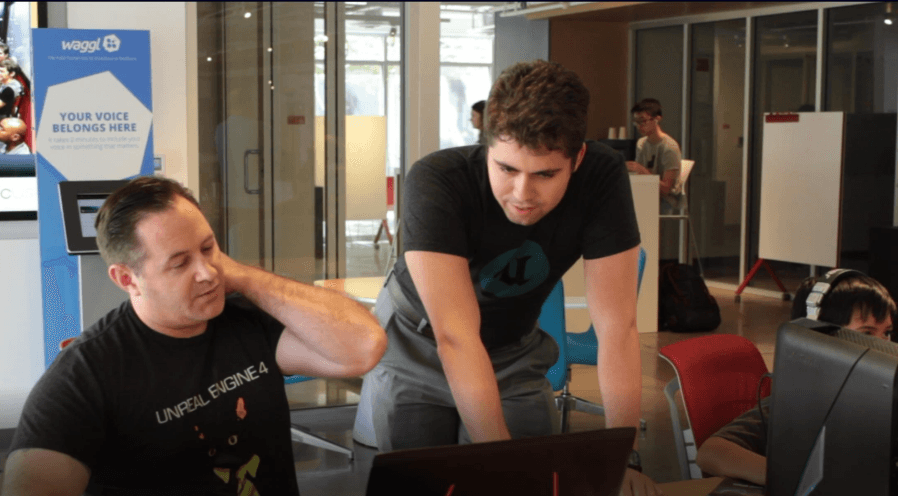
It was 2017, Las Vegas specifically downtown was downstream for Tony Shei's vision of a new Silicon Valley developer and startup hub.
there was growing interest in hosting a game jam in Las Vegas — but it never moved beyond talk.People assumed attendance would be low, organization would be difficult, and the effort wouldn’t be worth it.At the time, I was running the Demo Day meetup downtown and attending most of the local game dev events.I had visibility into both experienced developers and a much larger group of people who were curious about game development but didn’t yet have the skills or confidence to participate.
The Assumption
Everyone was working from the same inherited assumption: A game jam is a 48-hour competitive sprint for experienced developers. That model silently excluded:
• beginners
• people without full-weekend availability
• learning-oriented participants
• curious observers
Because of that, expected attendance stayed tiny — and no one wanted to take responsibility for organizing the event.
The Intervention
I created and ran the Las Vegas Summer Game Jam end-to-end: • designed the format and structure • created the branding and visuals • secured the venue • marketed the event • recruited workshop speakers • secured sponsors (Epic Games, SideFX) • organized prizes and community voting • ran the event on-site I chose not to charge anyone to attend.
The Outcome
Instead of a tiny, insular competition: • Over 80 people attended the first event • Sponsors came on board • The venue stayed full all weekend • Competitors and learners coexisted naturally • Networking and collaboration increased dramatically The Las Vegas Summer Game Jam ran successfully three years in a row: 2017, 2018, and 2019. The event became a major moment of coherence for the local game dev community. Concrete outcomes included: • new developers entering the ecosystem • long-term professional connections forming • attendees later working in the game industry One attendee decided to pursue game development seriously after the event, went to DigiPen, and now works on Minecraft. They learned the basics for the first time at this game jam.
Reproducable Lessons For Your Ventures
Key Features
🔐 Multi-Sig Security for validator operations
⚡ Fast Finality with minimal latency
🛡️ Time-Delay Mechanism to prevent rapid exploit movement
🔍 Real-time Monitoring with automated anomaly detection
🔄 Composable APIs for dApp integration
Supported Networks
Polygon PoS
Ethereum Mainnet
(Coming Soon: Arbitrum, Base, zkSync)
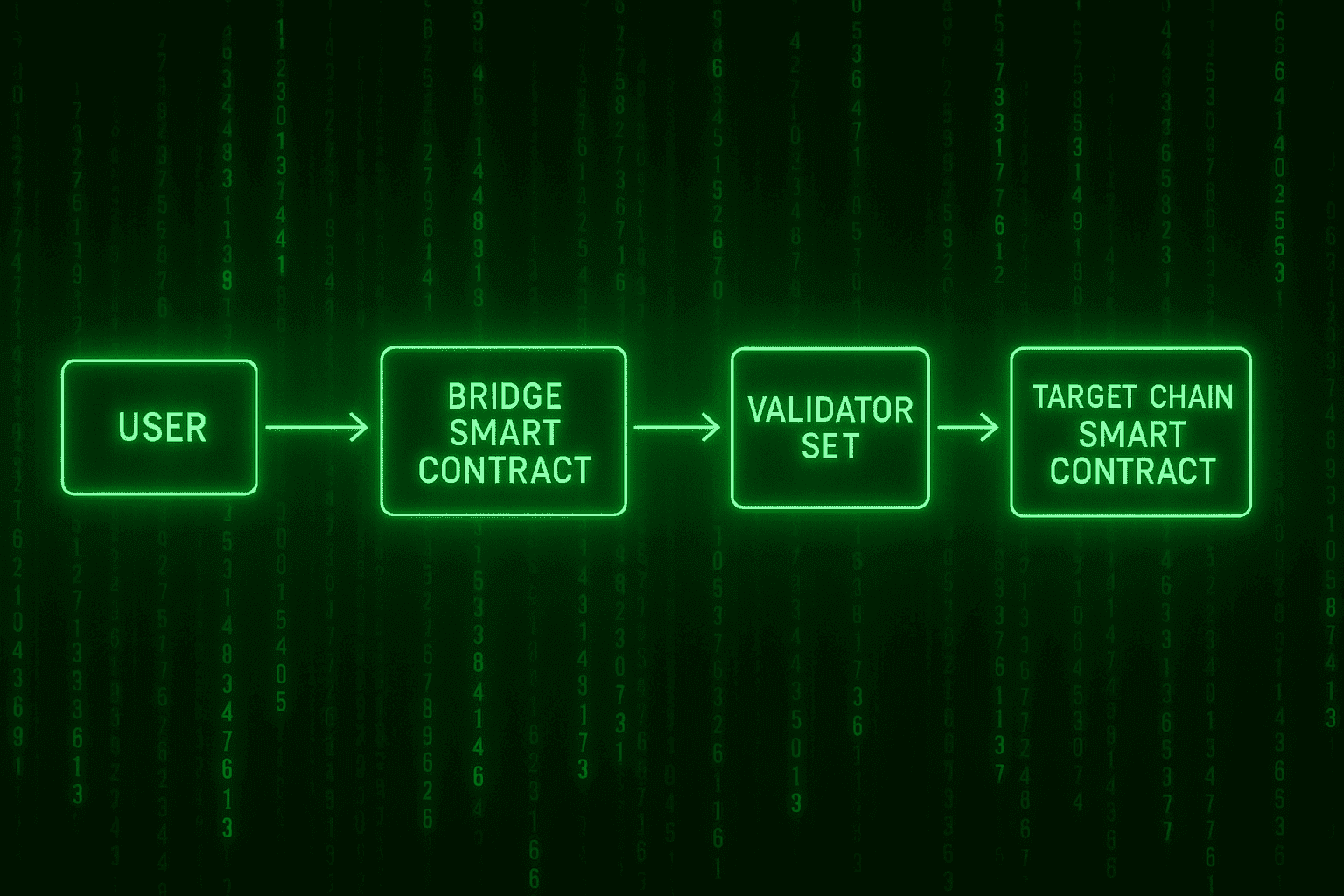
Architecture Snapshot
User → Bridge Smart Contract → Validator Set → Target Chain Smart Contract
🧾 Transaction Flow Comparison Table
Step | Ethereum (L1) | Polygon (L2) |
|---|---|---|
Asset Locking | Smart Contract (on-chain) | N/A |
Event Validation | Multi-Sig Validator Set | Multi-Sig Validator Set |
Asset Minting/Burning | N/A | Bridge Contract (on-chain) |
Transfer Finality | ~12 min | ~2 min |
🧩 Sample Code Snippet (Token Bridge Request)
Cross-Chain Bridge is more than just a cross-chain bridge — it’s an infrastructure layer built for the next era of multi-chain applications. With production-grade security, modular APIs, and seamless UX, BridgeX helps developers and protocols unlock true interoperability between Ethereum and Polygon. Whether you're moving assets, building composable DeFi tools, or scaling a dApp across chains — BridgeX gets you there, securely and reliably.